

Free-Weight Training for Beginners: The Key Foundational Exercises
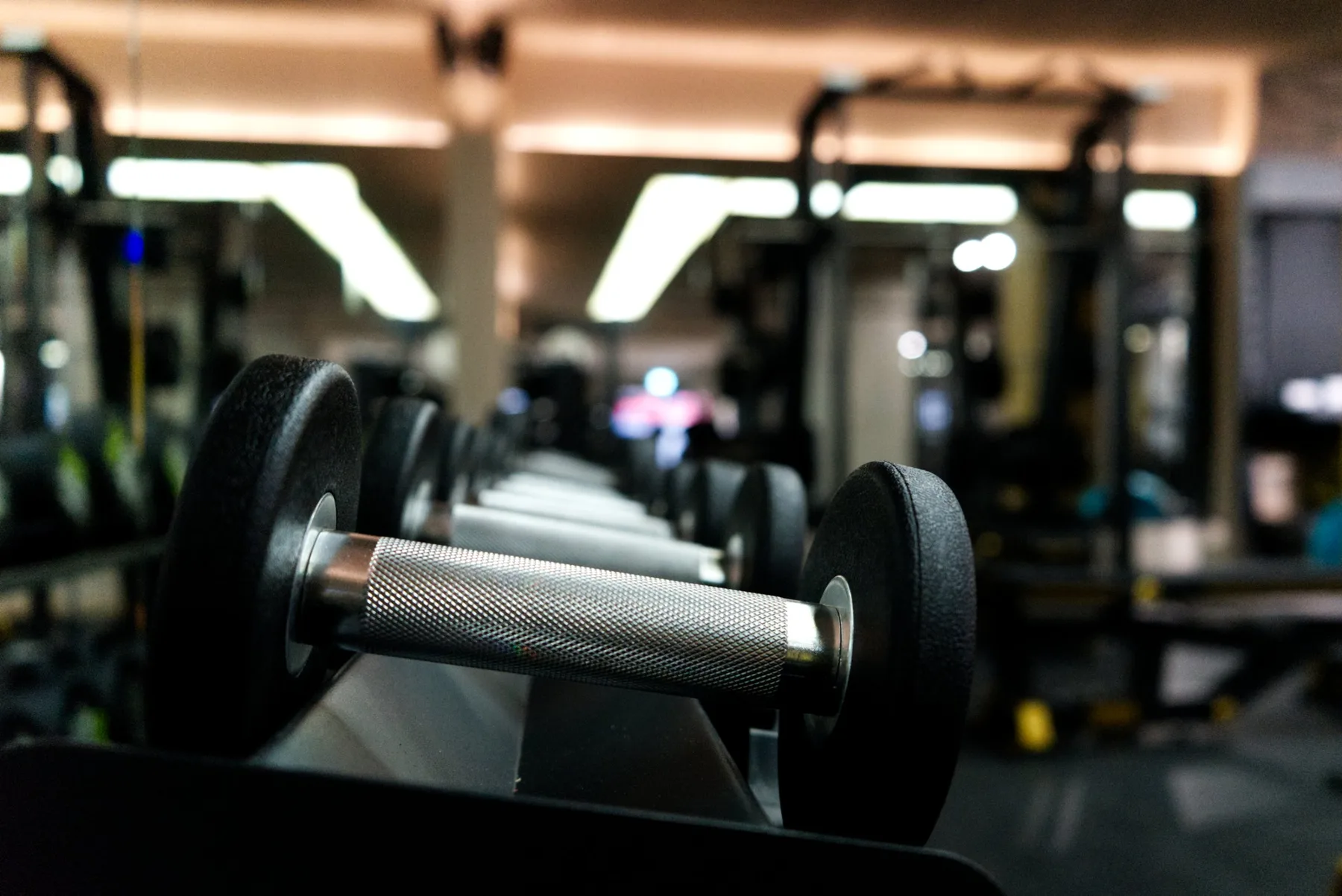
Free weights are among the most effective tools in strength training – because they challenge not just your target muscles, but also the stabilizer muscles around them. Here are the basics for a safe, effective start in the free-weights area.
Why free weights?
Unlike guided machines, dumbbells and barbells let you control the movement path yourself. That means your stabilizer muscles around the joints and core work alongside the target muscles – something machines simply don't replicate. Free weights can also be progressed in very fine increments and closely mirror movements from everyday life and sport.
The key foundational exercises
- Squat: with dumbbells or a barbell – trains legs, glutes and core in a single movement.
- Dumbbell bench press: chest, shoulders and triceps; the independent arm path adds an extra stability challenge.
- Bent-over row: an important counterpart to pressing movements, strengthens the upper back and supports muscular balance.
- Shoulder press: builds shoulder strength while also demanding core stability.
- Lunges: single-leg training for balance, leg strength and everyday function.
How to start safely
Technique before weight: start with a load you can move cleanly and under control, and only add weight once your form is solid. A common starting point is 2–3 sets of 8–12 reps per exercise. Use the studio mirrors to check your posture, and warm up with light weights or a few minutes of cardio before your first working set.
Your free-weights area at LOFTS
LOFTS' free-weights area gives you dumbbells, barbells and racks for classic strength and hypertrophy training – accessible around the clock, 24 hours a day. Combine it with the Functional Rig and cable station for varied, complete workouts.
Ready to try the free-weights area yourself?